Building a Quality Subscriber List
How to Build a High-Intent SMS Audience
Why List Growth Isn’t Just a Numbers Game
It’s easy to think the goal of list growth is just… more. More subscribers, more names, more numbers. But smart brands know that a truly optimized SMS acquisition strategy doesn’t just drive volume—it fills your list with high-intent subscribers who actually want to hear from you on this channel. These are the people who open your texts, click your links, and convert consistently—because they opted in with some degree of enthusiasm, not obligation.
Below is our playbook for building a bigger and better list by meeting people where they are, optimizing your signup experiences, and giving subscribers a better reason to say yes.
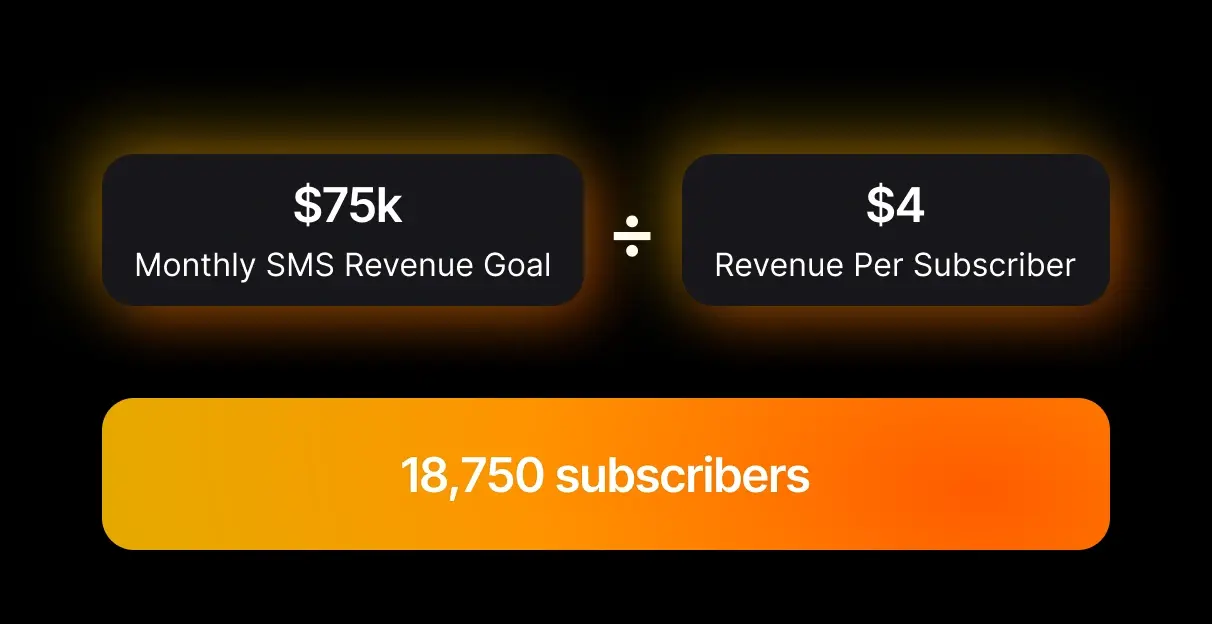
Start With Revenue, Not Subscriber Count. Here’s How to Reverse-Engineer Your List Goal:
Define your monthly SMS revenue target (Example: $75,000 per month)
Calculate your average Revenue Per Subscriber, or RPS (Example: $3.50).
Divide revenue goal by RPS: 75,000 / 4 = ~18,750 subscribers.
This math gets even more useful when you layer in your current list size, unsubscribe rate, and opt-in rate. These variables can help you create a growth goal grounded in business performance and not just wishful thinking.
Maximize Opt-In Impressions Across Channels
If the only place someone can join your list is on your homepage popup, you're missing out.
Top-performing brands deploy a multi-channel opt-in strategy, including:
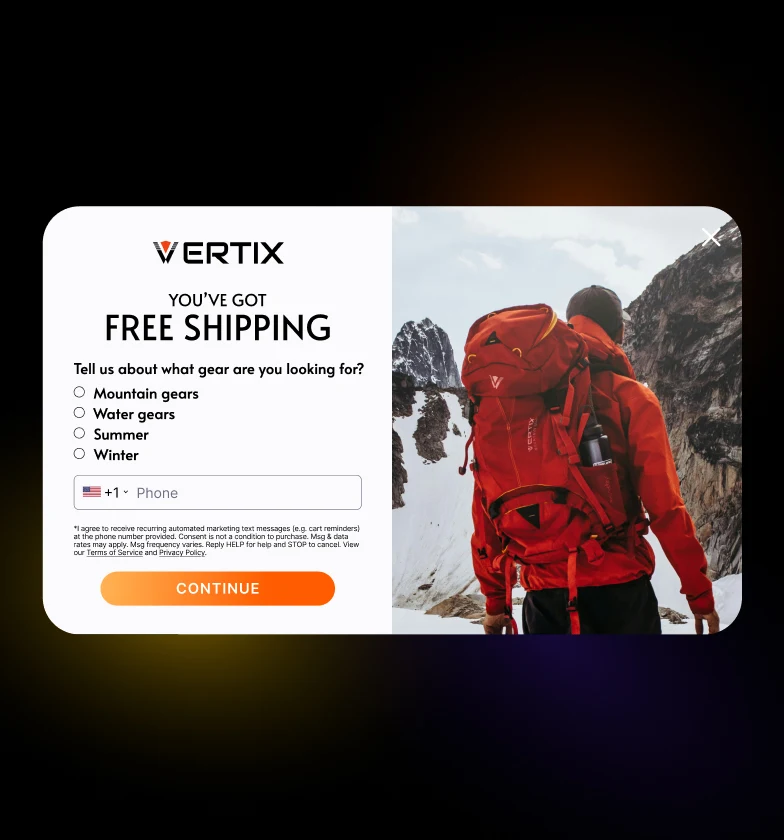
Onsite Popups: Customize them by traffic source, product page, or collection
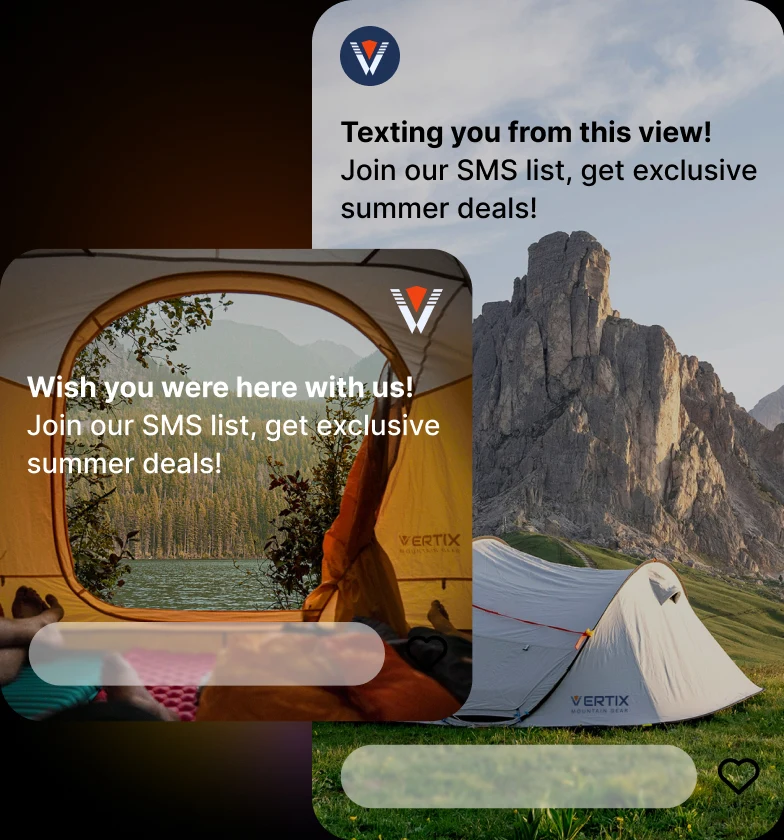
Instagram Stories or Feed Posts: Use tools like Hitide to compliantly collect phone numbers in DMs
Post-Purchase Pages: Give recent buyers a perk for subscribing
Email: Turn non-SMS subscribers into SMS subscribers with FOMO-based campaigns
Direct Mail or Packaging Inserts: Include QR codes with opt-in CTAs
Each of these channels reaches a different subset of your audience. Used together, they multiply your impressions—and your signups.

Optimize the Onsite Popup Experience
The popup is your workhorse. But most brands set it up once and never touch it again. With a few key tweaks, you can dramatically increase your opt-in conversion rate.
What to Test:
Popup delay: Try 3–7 seconds, or set it to trigger at 50% of the average time on page
Fullscreen vs. slide-up: A/B test formats to see what performs best
Language: Be clear about SMS-only perks. "Our SMS list gets first access to new drops."
Offer type: Traditional discounts work, but CashBack often works better (and preserves more margin)
Don’t Let Unverified Opt-Ins Slip Away
Here’s the kicker: many popup platforms track opt-in rate based on number submissions, not verified opt-ins.
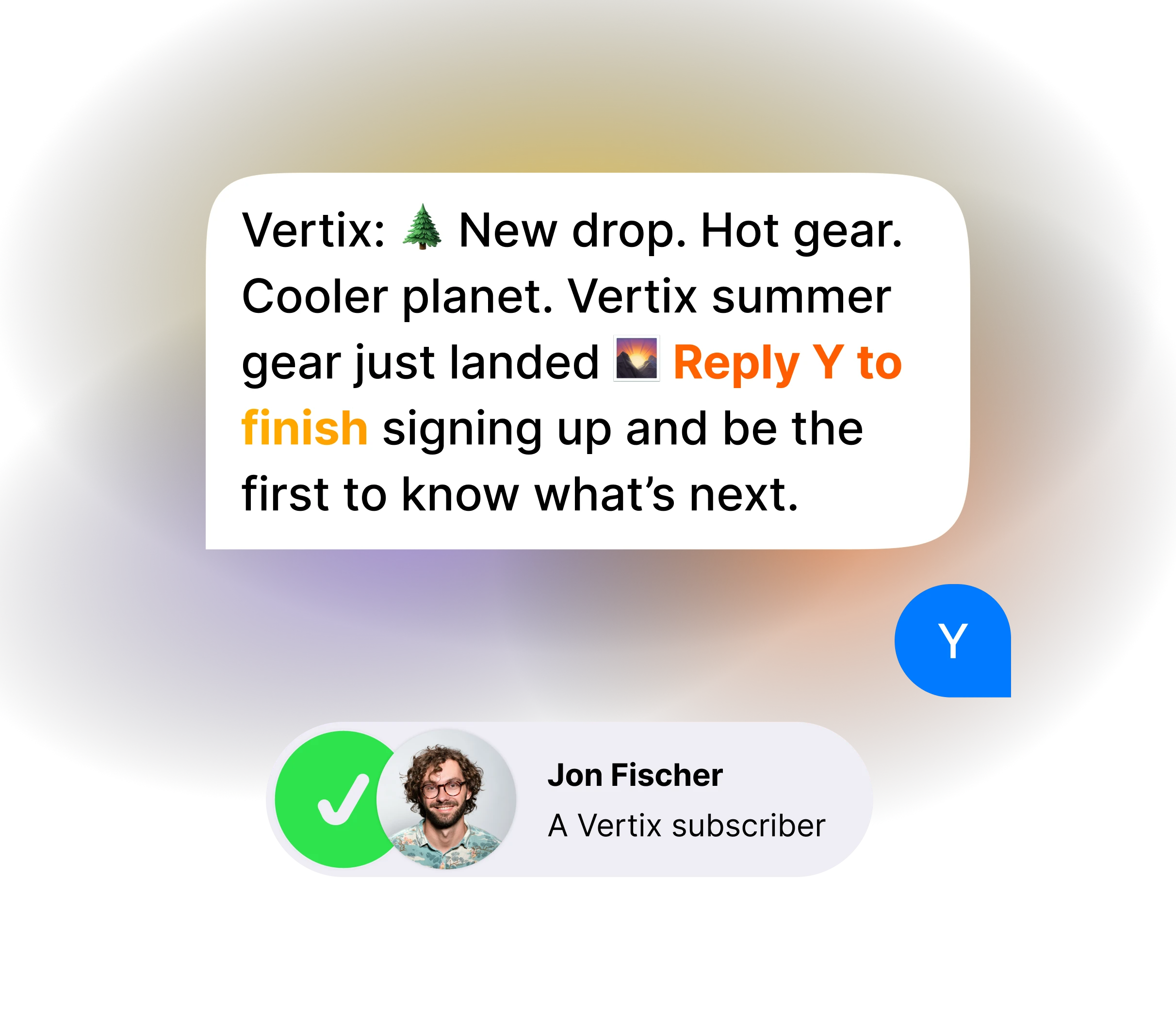
That’s where Postscript’s Onsite Opt-in + Reminder feature shines. It captures the subscriber's phone number onsite, then sends a follow-up "Reply Y to confirm" text if they don’t finish the opt-in process. That reminder flow can boost opt-in completions significantly—especially during high-traffic events.
Make Your Offer Stand Out
Your opt-in offer should be more than just a coupon. It should feel exclusive, timely, and differentiated from what people can find elsewhere.
For example, CashBack often outperforms traditional coupons, especially with higher-ticket items. It lets you offer a more enticing incentive without sacrificing upfront revenue.
Other High-Performing Offers:
Early access to product launches
Restock alerts
Free samples or trial-size products
VIP sale invites


How Ridge Diversified their Subscriber Aquisition Strategy
Ridge, the wallet and everyday carry brand, switched to a multi-channel list growth strategy before BFCM and layered in Postscript’s Onsite Opt-in tools.
The results?
3x increase in verified opt-ins from popup traffic
20% of new SMS revenue tied to social opt-in campaigns
Higher subscriber LTV from CashBack-based popups vs. flat discounts
List Growth? Check. Here’s what’s next:
SMS Audit
We’re all-in on SMS—and we’ve built the solutions designed to make SMS your #1 revenue channel.