Laura is the Senior Content Marketing Manager at Postscript. She has spent the past decade working in ecommerce. When she isn't writing about her favorite topic (marketing) or listening to podcasts about her other favorite topic (ecommerce), she's hanging out with her two sons on an island off the coast of Maine.
iOS 26 Screen Unknown Senders: A Measured Look at the Real Impact on SMS
There’s been significant conversation around iOS 26’s “Screen Unknown Senders” feature and what it could mean for SMS marketing performance.
It’s understandable that brands want clarity.
Based on the data we’re seeing today, however, this feature does not appear to be meaningfully impacting SMS engagement at scale. And in many cases, aggressively changing strategy may introduce more downside than protection.
If you’re evaluating whether to adjust your opt-in approach, here’s what the performance data suggests.
What Is iOS 26 “Screen Unknown Senders”?
iOS 26 introduced a setting that allows users to filter messages from unknown senders into a separate inbox view.
A few important characteristics:
It is buried within device settings
It is not enabled by default
It requires manual activation
Adoption appears limited
Early iterations have shown inconsistent filtering behavior
For a detailed explanation of how the feature works, Postscript has published a full iOS 26 guide.
The key distinction: this is not a universal inbox update. It requires proactive user action.
How many people have turned the iOS26 “Screen Unknown Senders” feature on?
Nobody actually knows how many iPhone users have Unknown Senders enabled — and anyone claiming otherwise is selling something. Apple does not publicly report adoption rates for this setting, and no independent research has verified the figures circulating in SMS marketing content.
The stats you'll see from certain vendors — claims of 55% or 48% adoption — come with no disclosed methodology, no sample sizes, and no third-party validation. They're marketing claims positioned as research, and they deserve scrutiny.
What we do know is that the "Filter Unknown Senders" setting is off by default on fresh iOS installs but carries over from prior versions if a user had it enabled previously — meaning the real-world adoption rate is a function of legacy behavior and organic discovery, neither of which is publicly measurable.
The SMS vendors sounding the loudest alarms about this feature are, not coincidentally, the same ones pitching proprietary workarounds as the solution. That doesn't mean the feature is irrelevant to your SMS strategy — it means you should evaluate the data behind the panic before making expensive platform decisions based on it.
Is iOS 26 Hurting SMS Performance?
Across 20,000+ Postscript brands, we have closely monitored engagement trends since launch.
To date, we have not observed:
Meaningful CTR degradation
Systemic engagement decline
Widespread inbox disruption
If filtering were happening at scale, it would likely surface quickly in aggregate engagement data. At this point, performance trends remain stable.
That doesn’t mean brands shouldn’t monitor closely — but current data does not indicate an industry-wide disruption.
What About Adoption?
Adoption appears limited for several practical reasons:
It is not enabled by default
It requires user awareness and manual setup
It may filter messages users actually want
Some early feedback suggests users disable it after testing
If adoption were widespread, we would expect to see broader engagement impact. That signal has not appeared.
The Strategic Tradeoff: Adjusting Too Quickly
In response to iOS 26, some vendors are recommending more aggressive adjustments, including:
QR-code-based opt-ins
Two-tap flows
Offsite opt-in redirects
Message-first capture strategies
These approaches often move users away from high-performing onsite opt-in experiences.
Historically, onsite opt-in:
Reduces friction
Keeps users in-flow
Captures high-intent traffic
Drives stronger subscriber growth
Moving offsite can reduce opt-in conversion rates. That impact is measurable and immediate.
The risk, then, is shifting strategy to mitigate a potential issue that has not yet demonstrated measurable impact — while accepting a known reduction in subscriber capture.
For many brands, that tradeoff may not make sense today.
Is There A Way To Increase Your Chances of Known Sender Status?
Yes.
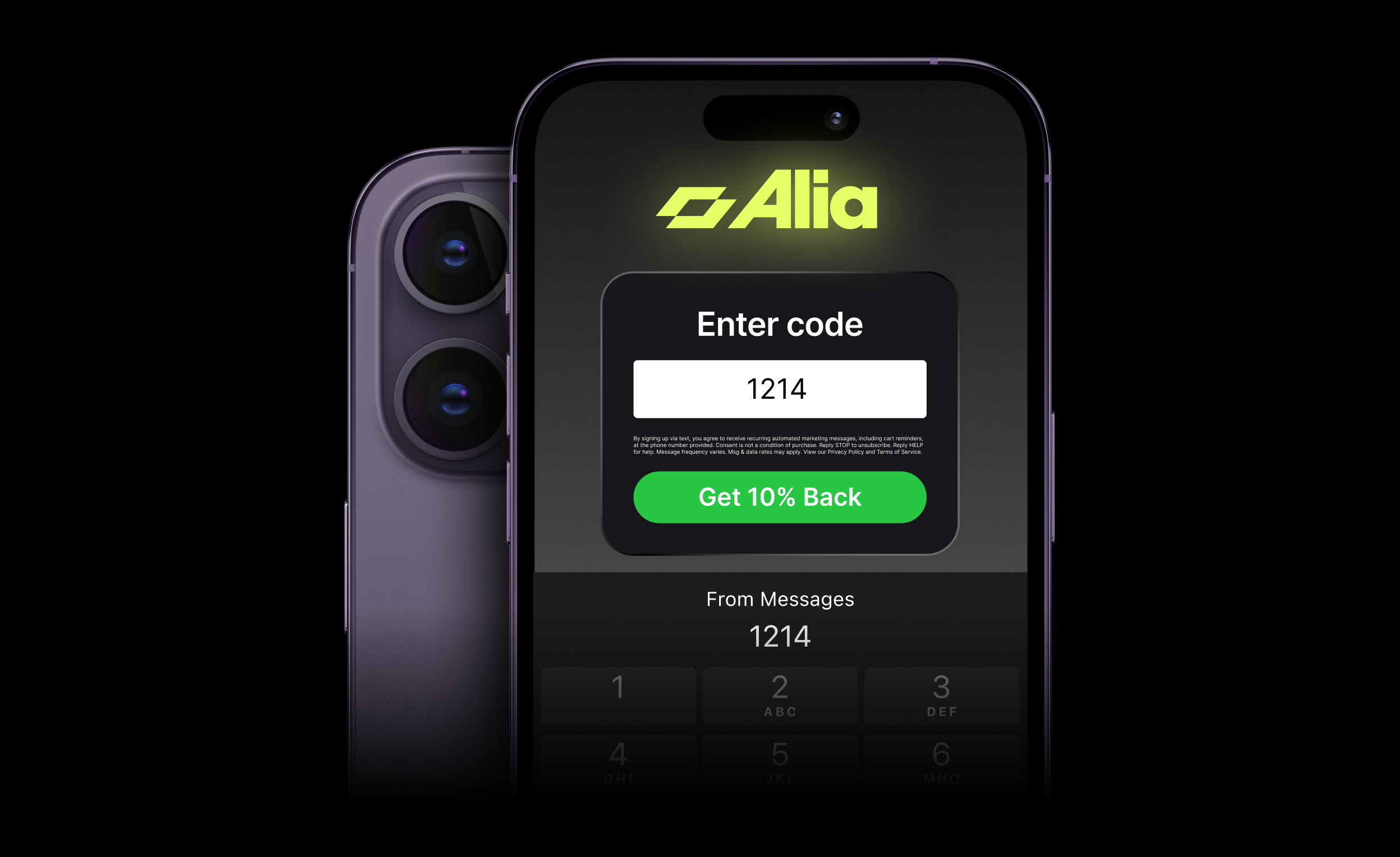
Postscript’s Onsite Opt-in Engage (OOI Engage) prompts the customer to message first, which can help establish “Known Sender” status. Learn more here
For brands with very low risk tolerance, this can provide additional reassurance.
However, for most merchants, performance data does not currently indicate a need to change default opt-in strategy, as the tradeoffs cost more than the risk itself.
How Should Brands Evaluate Claims?
You may hear statements such as:
“A majority of users have this turned on.”
“This is already affecting inbox placement.”
“You need to switch immediately.”
At this time:
There is no verified Apple adoption data confirming widespread usage
Aggregate performance data does not show broad engagement degradation
There is no observable CTR collapse across large datasets
It’s reasonable to ask for evidence tied to measurable performance before making structural changes.
A Balanced Recommendation
Rather than reacting immediately, many brands may consider:
Continuing to use Onsite Opt-in
Monitoring engagement metrics closely
Watching adoption trends
Keeping fallback solutions ready
If adoption increases or engagement data shifts, adjustments can be made quickly.
For now, the data supports continued focus on list growth and revenue performance.
Summary
iOS 26’s Screen Unknown Senders feature is worth watching, but current evidence suggests it is not an SMS crisis.
In situations like this, measured decisions tend to outperform reactive ones. Protecting subscriber growth while monitoring performance closely will offer the most balanced approach.
Growth and caution don’t have to be in conflict, but today’s data suggests dramatic changes are not yet warranted.